Perennial•USDA: ZIAC•PLANTED: SPRING 2025•
Blackfoot Daisy
Melampodium leucanthum
FAMILY: Asteraceae (Aster Family)ALSO KNOWN AS:
Dwarf ZinniaDwarf White ZinniaShrubby ZinniaSouthern ZinniaRock DaisyPlains BlackfootArnica
A standout species for Texas gardens, Blackfoot Daisy (Melampodium leucanthum) is a deciduous perennial native across the Central Great Plains, Chihuahuan Deserts, Cross Timbers, Edwards Plateau, High Plains, Southern Texas Plains, and Southwestern Tablelands.
During Spring, Summer, and Fall, the plant produces white, yellow blooms. Flowering is followed by ornamental fruit is a cypsela (pl. cypselae). though technically incorrect, the fruit is often referred to as an achene that add seasonal interest.
It provides essential nectar, shelter, or forage for native wildlife, including Bees, Birds, and Butterflies.
Thriving in calcareous, caliche, dry, limestone, sand, and well drained, Blackfoot Daisy demonstrates outstanding hardiness once established. It requires minimal supplemental water and tolerates dry spells with ease. It offers high deer resistance.
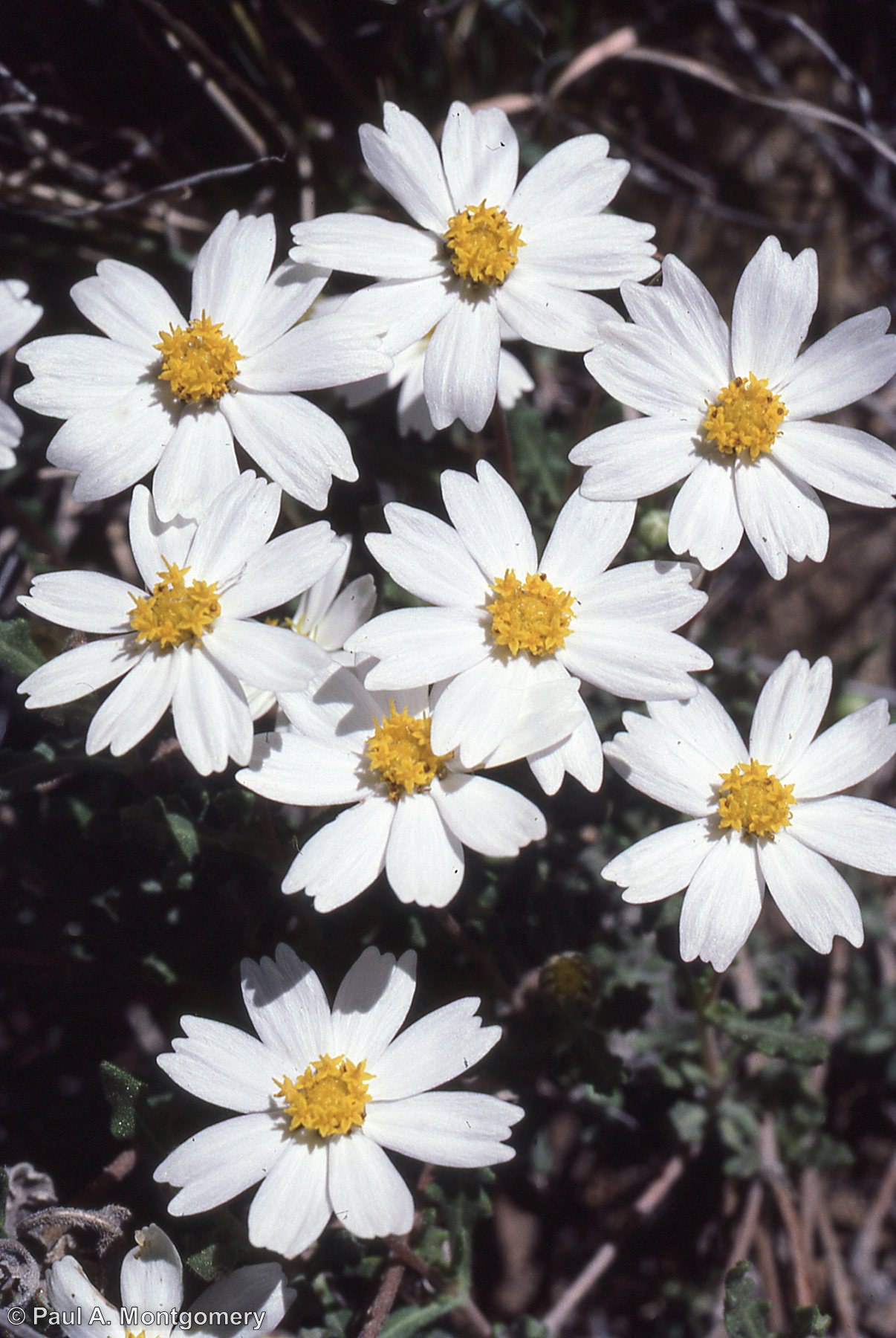
Blackfoot Daisy
Melampodium leucanthum
NATIVE RANGE // EPA & NPSOT
Texas Native Ecoregions33 REGIONS
[ INITIALIZING GEOSPATIAL MAP DATA... ]
Central Great Plains, Chihuahuan Deserts, Cross Timbers, Edwards Plateau, High Plains, Southern Texas Plains, Southwestern Tablelands
SOURCE: US EPA L3/L4 ECOREGIONS • NPSOT VERIFIED30.1727° N, 98.0873° W (DRIPPING SPRINGS, TX)
GROWTH & VISUAL PROFILEPerennial • Herbaceous
↕HEIGHT
0.5 ft.
↔SPREAD
1 ft.
🌱GROWTH
Moderate
🍂FOLIAGE
Deciduous
BLOOM COLOR
White
Yellow
BLOOM CALENDARSpring, Summer, Fall (9 MO)
JANFEBMARAPRMAYJUNJULAUGSEPOCTNOVDEC
BOTANICAL ALIASES & ALTERNATE NAMES7 ALIASES
Dwarf ZinniaDwarf White ZinniaShrubby ZinniaSouthern ZinniaRock DaisyPlains BlackfootArnica
ECOLOGICAL ROLE & WILDLIFE
ATTRACTS & SUPPORTS
BeesBirdsButterflies
Recognized for providing nectar and forage for native Texas pollinators.
WATER NEEDLow (Drought Tolerant)
VL
LOW
MOD
HIGH
SOLAR NEEDSun
SHADE
PART SHADE
PART SUN
FULL SUN
SUBSTRATE & SOILpH: Neutral to Alkaline
CalcareousCalicheDryLimestoneSandWell Drained
⚠️ BOTANICAL SAFETY NOTICE
Non-toxic to humans, birds, and domestic animals.
MAINTENANCE & PROPAGATION
Low maintenance once established.