Perennial•USDA: HIDA•PLANTED: SPRING 2025•
Neches River Rosemallow
Hibiscus dasycalyx
FAMILY: Malvaceae (Mallow Family)ALSO KNOWN AS:
Neches River Rose-mallow
Endemic to the open, wetland habitats of the East Texas Pineywoods ecoregion, Neches River Rosemallow (Hibiscus dasycalyx) is a rare wetland perennial associated with sloughs, oxbows, terraces, and sand bars of the Neches River floodplain, Mud Creek, and Tatanbogue Creek.
Growing 2 to 8 feet tall in open-canopy wetlands, it produces hundreds of striking white flowers with dark red centers during a rain-dependent bloom in June and July. It is a critical nectar source for specialized pollinators like the Hibiscus bee (Ptilothrix bombiformis) and American bumble bee (Bombus pensylvanicus).
Thriving in hydric alluvial or sandy loam soils, the plant is adapted to wetland soils whose surface dries out during summer months.
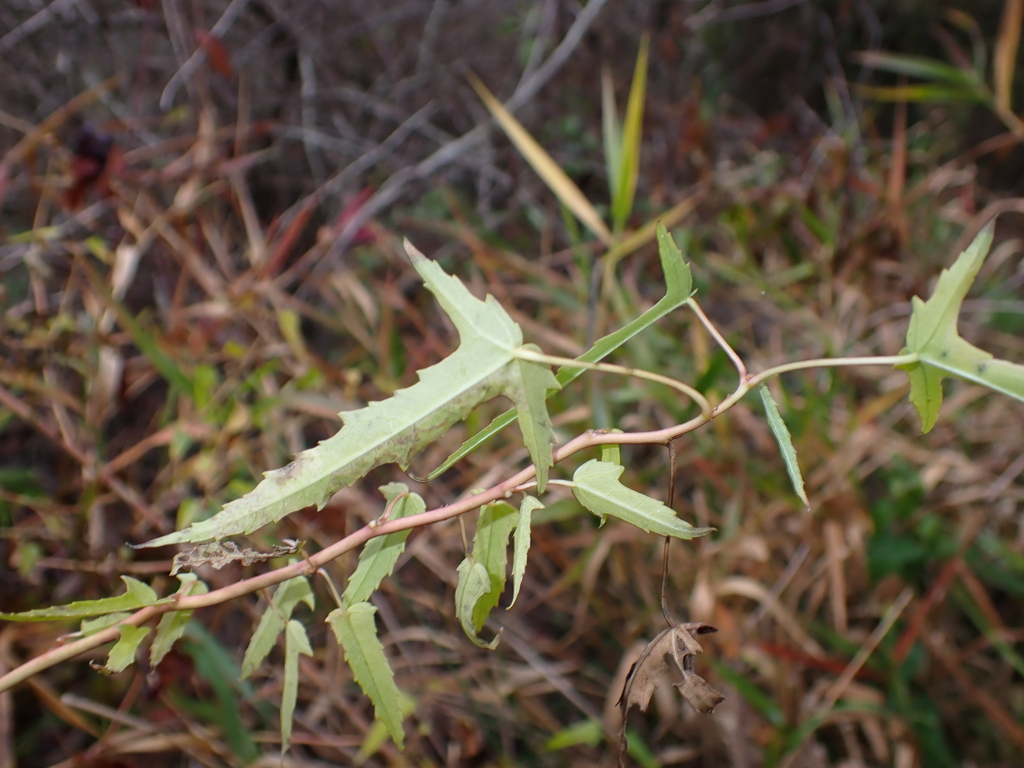
Neches River Rosemallow
Hibiscus dasycalyx
NATIVE RANGE // EPA & NPSOT
Texas Native Ecoregions6 REGIONS
[ INITIALIZING GEOSPATIAL MAP DATA... ]
East Texas Pineywoods (Neches River Floodplains)
SOURCE: US EPA L3/L4 ECOREGIONS • NPSOT VERIFIED30.1727° N, 98.0873° W (DRIPPING SPRINGS, TX)
GROWTH & VISUAL PROFILEPerennial • Herb
↕HEIGHT
Up to about 8 feet tall
↔SPREAD
2 to 4 ft
🌱GROWTH
Moderate
🍂FOLIAGE
Deciduous
BLOOM COLOR
White with Dark Red Center
BLOOM CALENDARJun, Jul (3 MO)
JANFEBMARAPRMAYJUNJULAUGSEPOCTNOVDEC
BOTANICAL ALIASES & ALTERNATE NAMES1 ALIAS
Neches River Rose-mallow
ECOLOGICAL ROLE & WILDLIFE
ATTRACTS & SUPPORTS
Native PollinatorsBumble BeesSpecialist BeesMoths
Provides nectar for American bumble bee (Bombus pensylvanicus), Hibiscus bee (Ptilothrix bombiformis), moths, and scentless plant bug (Niesthrea louisianica).
WATER NEEDHigh / Wetland (Tolerates summer drying)
VL
LOW
MOD
HIGH
SOLAR NEEDFull Sun (Open Canopy)
SHADE
PART SHADE
PART SUN
FULL SUN
SUBSTRATE & SOILpH: Acidic to Neutral
Hydric AlluvialSandy Loam
⚠️ BOTANICAL SAFETY NOTICE
Non-toxic to humans, birds, and domestic animals.
MAINTENANCE & PROPAGATION
Low maintenance once established.